

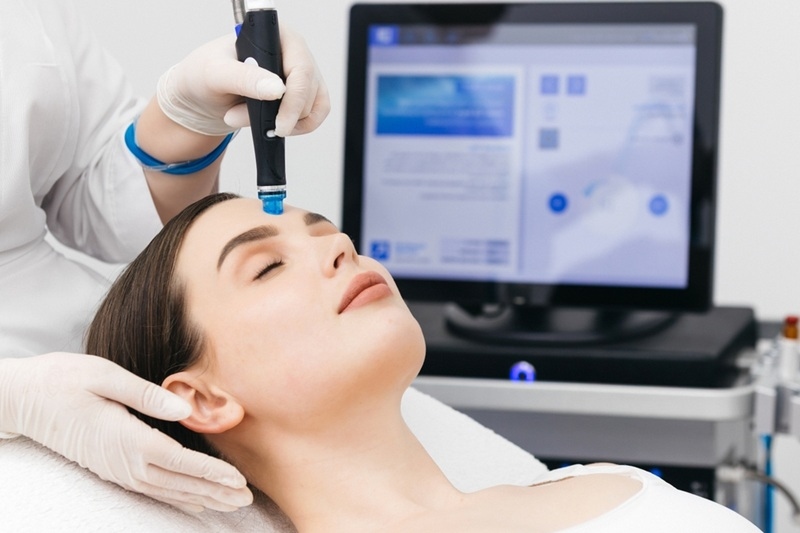
Dull skin creeps in slowly. Stress, dry air, makeup buildup, sun exposure, skipped skincare nights — it all stacks up. One day, the face just looks tired. Flat. Uneven. Many people try scrubs or thick creams first, but the skin still feels rough underneath. That is why hydrafacial treatments became so popular so fast. The process is simple, quick, and not harsh, yet the skin often looks fresher almost immediately after one session. No dramatic peeling. No long recovery. Just cleaner, smoother skin with a visible glow. In this blog, we will look at how Hydrafacial works, why people swear by it, the real benefits, plus whether at-home versions compare.
People often ask what a hydrafacial is exactly because it sits somewhere between a medical treatment and a spa facial. It borrows parts from both. The process is machine-assisted, more targeted than traditional facials, yet still relaxing for many people.
The treatment usually follows three major stages: cleanse, extract, and hydrate. Simple idea. The technology behind it just makes the steps more efficient.
Traditional scrubs aren’t always great for sensitive skin, especially those packed with walnut shells or rough exfoliating bits. Hydrafacials skip all that grit. They use a liquid exfoliation, so dead skin cells loosen up without all the rubbing and scraping.
This matters for people with dull skin caused by dryness or sensitivity. Harsh exfoliation sometimes makes skin look worse before it improves. Hydrafacial tends to avoid that problem.
Many skincare products stay on the surface. Hydrafacial serums are delivered after exfoliation when the skin is more receptive. Ingredients often include:
The skin usually feels softer immediately after treatment. Some people notice the glow for days. Others for a week or more, depending on skincare habits afterward.
The benefits of hydrafacial go beyond a temporary glow. Though yes, that is what most people notice first. The treatment is often recommended because it works for several skin concerns at once without being extremely aggressive.
Not every facial suits every skin type. Hydrafacial tends to be more flexible.
Dry skin often looks rough, even under makeup. Foundation separates. Fine lines appear deeper. Hydrafacial floods the skin with hydration during treatment instead of stripping it completely.
That balance matters.
People who over-exfoliate at home sometimes notice improvement because the skin barrier feels calmer afterward. Less flaky. Less tight.
Blackheads and oil make pores look larger. Hydrafacials handle this by extracting the gunk with suction—not harsh squeezing—so your skin doesn’t get red or irritated.
The result is usually cleaner-looking pores, smoother texture, and less roughness around the nose and chin. Though results are not permanent. Oil production continues naturally.
Hydration temporarily plumps the skin surface. Fine dehydration lines become less visible after treatment. It is subtle, not surgery-level dramatic. But enough for people to notice fresher skin in photos or makeup application.
Consistency matters more than one session, though.
Some resurfacing treatments cause peeling or inflammation. Hydrafacial is usually gentler because it avoids harsh abrasion. Many people with reactive skin prefer it for that reason.
Still, not everyone reacts the same. Active rashes or severe acne may need a dermatologist's advice first.
So, do HydraFacials actually work? Mostly yes, but expectations matter. One session can improve brightness and smoothness quickly. Long-term changes happen with repeated treatments plus decent skincare habits.
No facial permanently fixes skin. Skin changes daily based on sleep, stress, hormones, weather, and diet. But Hydrafacial helps create healthier conditions for the skin surface.
Most people notice:
This is why Hydrafacial became popular before events and weddings. The skin often looks refreshed without downtime.
A facial cannot outwork constant dehydration, smoking, poor sleep, or heavy sun exposure. Some people expect miracles after one appointment. That is unrealistic.
The best results usually happen when Hydrafacial is combined with:
Boring advice. But true.
Many professionals suggest once every four to six weeks, depending on skin type. Oily skin may benefit from more regular sessions. Sensitive skin may need longer gaps.
Hydrafacial at-home devices are everywhere now. Some use suction tools. Others use exfoliating serums with cleansing machines. They try to recreate the professional process at a lower cost.
But there are differences.
Professional machines are stronger, more precise, plus paired with medical-grade serums in some clinics. At-home versions are designed to be safer for general use, so the suction and exfoliation are milder.
That means results are often less dramatic. Still useful for maintenance, though.
If you get hydrafacials every so often, you might use some at-home tools to keep your skin smooth in between visits. These help clear away surface buildup and give you a quick glow, but nothing too dramatic.
But overusing suction devices at home can irritate skin or cause broken capillaries. That part gets ignored online a lot.
Also Read: Facial Moisturizer Hacks That Truly Transform Your Skin
Dull skin rarely comes from one problem alone. Usually, it is buildup, dehydration, stress, sun exposure, and poor recovery — all mixed together. That is why hydrafacial treatments work well for many people. They tackle several surface-level issues in one session without heavy downtime or painful recovery. Skin looks cleaner, softer, brighter. Sometimes immediately. Still, the treatment is not magic, and it is not permanent. Real skin health depends on daily habits too.
Yes, many people book hydrafacial treatments before weddings, parties, or photoshoots because there is usually little downtime. Skin often looks smoother and more hydrated within a day. Still, trying it for the first time right before an important event is risky. Better to test earlier.
Plenty of teenagers with oily skin or clogged pores try hydrafacials to help with texture and congestion, but honestly, really young skin doesn’t need fancy treatments all the time.
Yes, foundation usually looks better after a hydrafacial. Your skin’s smoother and more hydrated, so makeup spreads out more evenly, covering dry spots without piling up. People notice their makeup feels lighter and just looks fresher.
Absolutely. Hydrafacial is not gender-specific. Men often use it for clogged pores, shaving irritation, rough texture, or oily skin buildup. The treatment works based on skin condition, not gender. Many clinics now specifically market it to male clients as well.
This content was created by AI